
There is a cost most organisations never calculate, yet almost all of them pay. It does not appear in budgets or forecasts. It does not trigger alarms in dashboards. And still, it quietly builds up whenever a decision is delayed, a risk is avoided, or people hold back from speaking up because they feel unsafe. I call it the Trust Tax.
The Trust Tax is the hidden cost organisations pay when trust erodes under pressure. It shows up as slower decisions, more control, repeated alignment, reduced ownership, and lost energy. This makes every change more costly than necessary.
At the start of a new year, many organisations are once again preparing for change. New strategies are announced, priorities sharpened, and expectations raised. Leaders talk about speed, adaptability, and execution. Yet, what I see more and more is that change is getting costlier. And this is not due to resistance, as you might expect, but it is because trust is quite fragile now.
That is why I want this newsletter to go about this Trust Tax and hidden costs. About how trust erodes under pressure, slowing down organisations. And about what steps leaders can take to reduce their Trust Tax before it starts to affect their operational performance.
Why change often costs more than it should
I note that most change initiatives are well intended. They are carefully planned, communicated, and governed. Leaders tend to invest ample time and energy into explaining the Why and aligning on the What. And still, progress often feels heavier to most than expected.
The reason is rarely a lack of competence or commitment. It is that change unfolds inside systems where trust has already been stretched to its full capacity. When trust is low, people start to hesitate. They seek confirmation. They wait for signals before acting. They double-check decisions and avoid taking responsibility that might later be questioned.
Each of these behaviours makes sense on its own. Together, they create friction.
The paradox here is that organisations usually respond to this friction by adding more structure. More steering committees, more reporting, or more checkpoints. The intention is control. The outcome is often the opposite. Every additional layer signals that trust is conditional, and with each signal, the Trust Tax increases.
In the end, change becomes slower, not because people are unwilling, but because the system no longer supports confident action.
The illusion of commitment
One of the most deceptive moments in any change or transformation is the appearance of commitment. People attend meetings. They use the language of the change. They agree with the direction. And from the outside, everything looks aligned. Leaders reassure themselves that the organisation is on board.
But commitment without trust is pretty shallow. It relies on compliance rather than ownership. People do what is expected, but they stop making judgment calls. They deliver tasks, but they avoid decisions. They execute, but they do not challenge.
I often see this play out in leadership sessions. A transformation update is presented, the room nods, and the next steps are agreed. Yet afterwards, in smaller conversations, doubts start to surface. Teams hesitate to act because priorities may change again. Managers avoid making calls because escalation feels safer. What looks like alignment was, in reality, caution.
This is not disengagement. It is self-protection. When organisations confuse visible agreement with real commitment, they miss the Trust Tax. This tax is already costing them big time without realising it.
How trust quietly leaks away
Trust rarely breaks down in one dramatic moment. It is more likely to erode through repetition. It breaks down when priorities shift without explanation. When decisions are reversed without context. When leaders ask for ownership but intervene at the first sign of discomfort. Or when feedback is invited but not acted upon.
Under pressure, these moments multiply. Leaders are expected to move faster, teams are stretched thinner, and the tolerance for mistakes shrinks. Often without noticing, organisations begin to optimise for certainty rather than learning.
The result is a system that looks busy but feels fragile. People comply, but at the same time hesitate to commit fully. They wait for signals, watch how others respond, and adjust their behaviour accordingly.
This is where change becomes expensive. Not because people do not care, but because the environment no longer makes it safe for them to care deeply.
The real cost of the Trust Tax
The Trust Tax shows up in places leaders often misinterpret it. It shows up as decision latency. As endless alignment conversations. As rework caused by late-stage changes. As initiative overload because nothing ever truly lands. I have seen it happen on many occasions.
It also shows up in engagement, though often later than expected. Recent research by Gartner HR Research (July 2025) shows that many organisations struggle with low trust in change leadership. This lack of trust is a big challenge for them. When trust erodes, energy follows.
What is often missed is that trust is not a feeling to be managed. It is a system outcome. It is shaped by how decisions are made, how power is exercised, how mistakes are handled, and how predictable leadership behaviour is under stress.
When trust is treated as a cultural aspiration rather than an operational reality, the Trust Tax keeps accumulating.
What purpose-driven, high-performing organisations do differently
Organisations can change without wearing out their people. However, they do still feel pressure. They simply respond to it differently. They are deliberate about clarity. People know what matters now and what does not. Trade-offs are made visible, even when they are uncomfortable.
They distribute decision authority with care. Not everything is decentralised, but decision rights are made explicit. People know when they can act and when alignment is required. They invest in leadership stability. Leaders are expected not only to deliver results, but to regulate pressure. They explain their reasoning, acknowledge uncertainty, and avoid passing anxiety down the system.
They protect rhythm. Moments for reflection, learning, and recalibration are built into the way they work. These moments are not luxuries. They are stabilisers. Above all, purpose is not treated as a slogan. It functions as a guide for behaviour, priorities, and decisions, especially when conditions are uncertain.
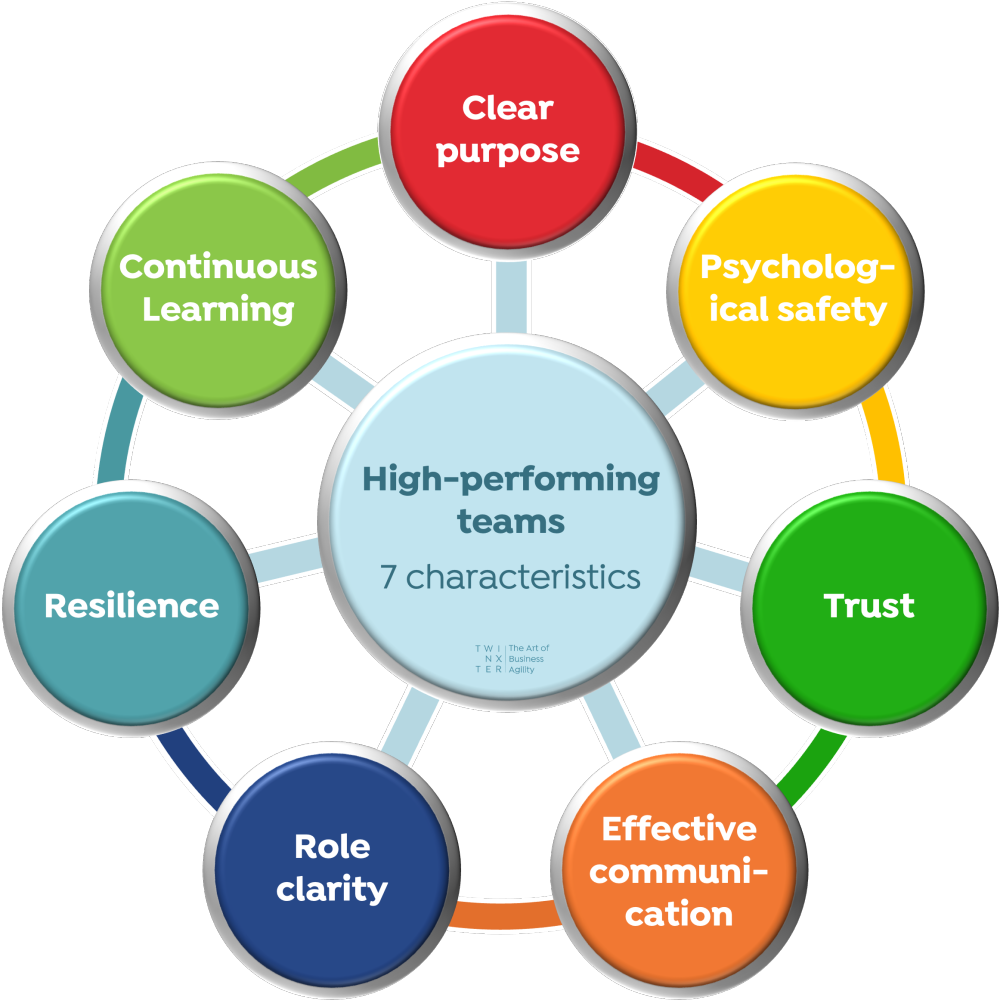
What connects these organisations is not personality or hero-leadership. It is design. They have consciously shaped conditions in which people can discuss without fear, decide without hesitation, and move together even when the ground shifts. Awesome, isn’t it?
Five ways leaders can reduce the trust tax
Reducing the Trust Tax rarely starts with a big announcement or a new programme. In fact, the more organisations try to launch trust, the more elusive it becomes. Trust is not built through intention, but through experience. People decide whether to trust based on what they see leaders do, especially when the pressure is on.
That is why addressing the Trust Tax is less about changing mindsets and more about changing patterns. Small, repeated leadership decisions shape whether people feel safe to commit, decide, and act. When those choices consistently support clarity and fairness, trust grows along the way. When they do not, mistrust increases just the same.
What follows next is not abstract principles. I see them as practical changes that truly help organisations shift without wearing out their people. None of them are dramatic on their own. Together, they fundamentally change how safe it feels to move.
1. Make trade-offs explicit. Unspoken trade-offs undermine trust. Leaders who name what will not be pursued create focus and relieve hidden pressure.
2. Clarify decision authority. Uncertainty slows action. When people know who decides what, hesitation decreases and confidence grows.
3. Remove unnecessary control. Every extra approval signals doubt. Removing just one layer can restore momentum and trust.
4. Create safe learning loops. Curiosity, not blame, helps us to handle mistakes. This rebuilds confidence faster than any communication campaign.
5. Model consistency under pressure. Trust grows when leaders behave predictably, especially when it is easier not to.
What these actions have in common is not control, but intention. They show that leadership cares about more than just results. They also focus on the conditions that lead to those results. Over time, this changes behaviour. People stop avoiding or tiptoeing around. They speak up earlier. They take ownership with more confidence because the organisational environment supports it.
Reducing your Trust Tax is therefore not about eliminating tension or risk. It is about making those tensions manageable. When leaders consistently choose clarity over vagueness, learning over blame, and steadiness over reactivity, trust becomes embedded in how work actually gets done.
And once trust is embedded in your system, change no longer needs to be pushed. It starts to move under its own momentum, with far less friction and far less cost.t.
Small reflection to start the year
As organisations step into 2026, the temptation is to focus on what needs to change next. What new strategies, new tools, or new capabilities do we seek or need? But before adding more, it is worth asking a different question: What is change currently costing us, and why?
If change already feels like a burden, slow, or exhausting, it may not be because people resist it. It may be because trust has quietly become expensive.
Reducing the Trust Tax is not about being softer. It is about being more intentional. About designing a system where people can act with confidence, speak with honesty, and commit without fear. That is where and when change becomes not only faster but also more human.
And it is where this new year truly begins.

